
Memory is the engine of learning. Every maths formula, vocabulary word, historical date, and scientific concept your child needs to master depends on the ability to store and retrieve information reliably. The good news is that memory is not a fixed trait — it is a skill that can be strengthened through practice. And the most effective practice does not feel like work at all. Here are memory games and techniques that South African parents can use to sharpen their children's recall while having fun.
Classic Memory Games That Never Get Old
Concentration (Pairs)
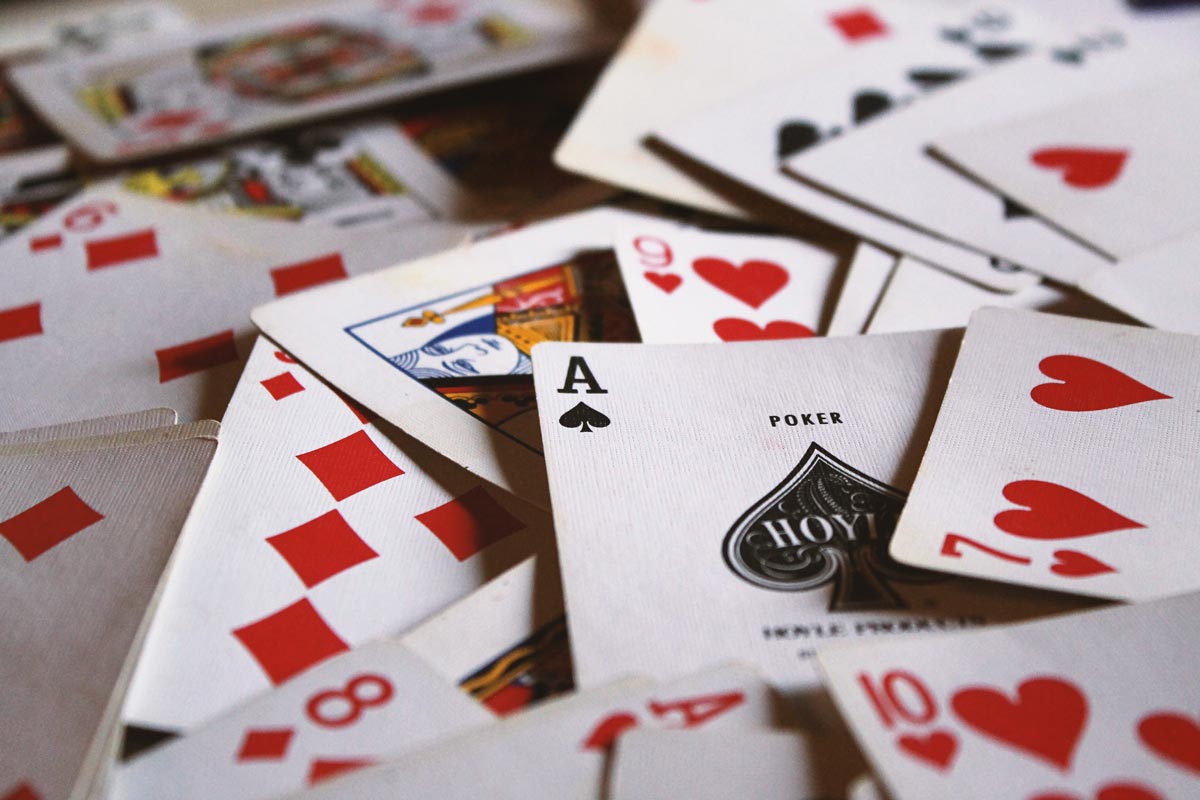
The classic card-matching game is one of the best memory exercises available. Lay cards face-down in a grid and take turns flipping two at a time, trying to find matching pairs. Start with a small grid for younger children and increase the size as their skills improve. You do not need special cards — make your own using paper and drawing pairs of objects, CAPS vocabulary words, or maths facts.
This game builds visual-spatial memory and teaches children to create mental maps of information — a skill that transfers directly to studying, where remembering the location of information on a page or in notes helps with recall during tests.
Kim's Game
Place a collection of everyday objects on a tray — a spoon, a coin, a pencil, a button, a stone. Let your child study them for 30 seconds, then cover the tray and ask them to list as many objects as they can remember. Start with five objects and work up to fifteen or more. To increase difficulty, remove one object while the tray is covered and ask which one is missing.
Kim's Game strengthens observation and short-term memory. It also teaches children to use strategies like grouping (all the kitchen items, all the round things) and mental narration (telling themselves a story that connects the objects), which are foundational study techniques.
Simon Says (Memory Edition)
Adapt the classic Simon Says game into a memory chain. The first player says "Simon says touch your nose." The next player repeats the action and adds another: "Simon says touch your nose and clap your hands." Each player must repeat the entire sequence before adding their action. The chain grows until someone forgets a step. This game builds sequential memory, which is essential for following multi-step instructions — a skill learners need every day in the classroom.
Age-Appropriate Memory Activities
For Foundation Phase Learners (Grades 1–3)
Keep games short, visual, and physical. Memory songs and rhymes (like learning the days of the week or months of the year through song) work brilliantly at this age. Picture-based matching games, spot-the-difference puzzles, and "I went to the shop and bought..." (a chain game where each player adds an item to a growing shopping list) are all effective and engaging.
For Intermediate Phase Learners (Grades 4–6)
Introduce strategy. Play memory card games with larger grids, try mental maths challenges where children must hold numbers in their head, and begin teaching mnemonic devices — creating silly sentences to remember lists (like "My Very Educated Mother Just Served Us Nachos" for the planets). Board games that require remembering previous moves, like chess, are excellent at this stage.
For Senior and FET Phase Learners (Grades 7–12)
Connect memory games directly to academic content. Create flashcard sets for CAPS subjects and use spaced repetition to review them. Play quiz games based on subject content — turn revision into a family quiz night. Teach the memory palace technique, where learners mentally place facts in rooms of a familiar building, walking through the building during a test to retrieve the information. These techniques transform how learners study for matric.
Study Memory Techniques That Actually Work
Games build the underlying cognitive skills, but specific memory techniques supercharge study effectiveness. Teach your child these evidence-based strategies and watch their retention improve.
Chunking
Breaking large amounts of information into smaller "chunks" makes it easier to remember. A ten-digit phone number is hard to memorise as individual digits but easy as three chunks (012-345-6789). Apply this to study material — group historical events by decade, categorise science vocabulary by topic, or organise maths formulas by type.
Visualisation
Creating vivid mental images of information makes it far more memorable than reading text alone. Encourage your child to "see" what they are learning — imagine a cell dividing in Life Sciences, visualise the water cycle in Geography, or picture a historical event as if watching a movie. The more vivid and unusual the image, the stronger the memory.
Spaced Repetition
Reviewing material at increasing intervals — after one day, then three days, then a week, then two weeks — is one of the most powerful learning strategies known to science. Instead of cramming everything the night before a test, spread revision across multiple shorter sessions. This approach works beautifully with platforms like iRainbow, where learners can revisit specific CAPS-aligned lessons at scheduled intervals to reinforce understanding over time.
Making Memory Practice a Daily Habit
The key to improving memory is consistency. Just as physical exercise builds strength over time, regular memory practice builds cognitive capacity. The trick is to make it so enjoyable that your child does not realise they are training their brain.
Weave memory games into daily family life. Play "I Spy" with a memory twist on car trips. Turn grocery shopping into a recall challenge — let your child memorise the list and check how many items they remember in the store. Use mealtimes for "what happened today" recall sessions where everyone shares three things they learned.
With over 15,000 CAPS-aligned video lessons, iRainbow also supports memory development by allowing learners to revisit content as many times as they need. Repetition builds memory, and having unlimited access to clear explanations means your child can reinforce learning at their own pace — turning forgetting into an opportunity to learn again.
Key Takeaways
- Memory is a trainable skill, not a fixed trait — games and practice strengthen it
- Classic games like Concentration, Kim's Game, and Simon Says build foundational memory skills
- Match memory activities to your child's age and developmental phase
- Teach study techniques like chunking, visualisation, and spaced repetition for academic improvement
- Make memory practice a fun daily habit woven into family routines
Help Your Child Succeed
iRainbow provides 15,000+ video lessons, gamified activities, and a free AI Tutor — all aligned with CAPS and IEB curricula. One subscription covers all your children.