
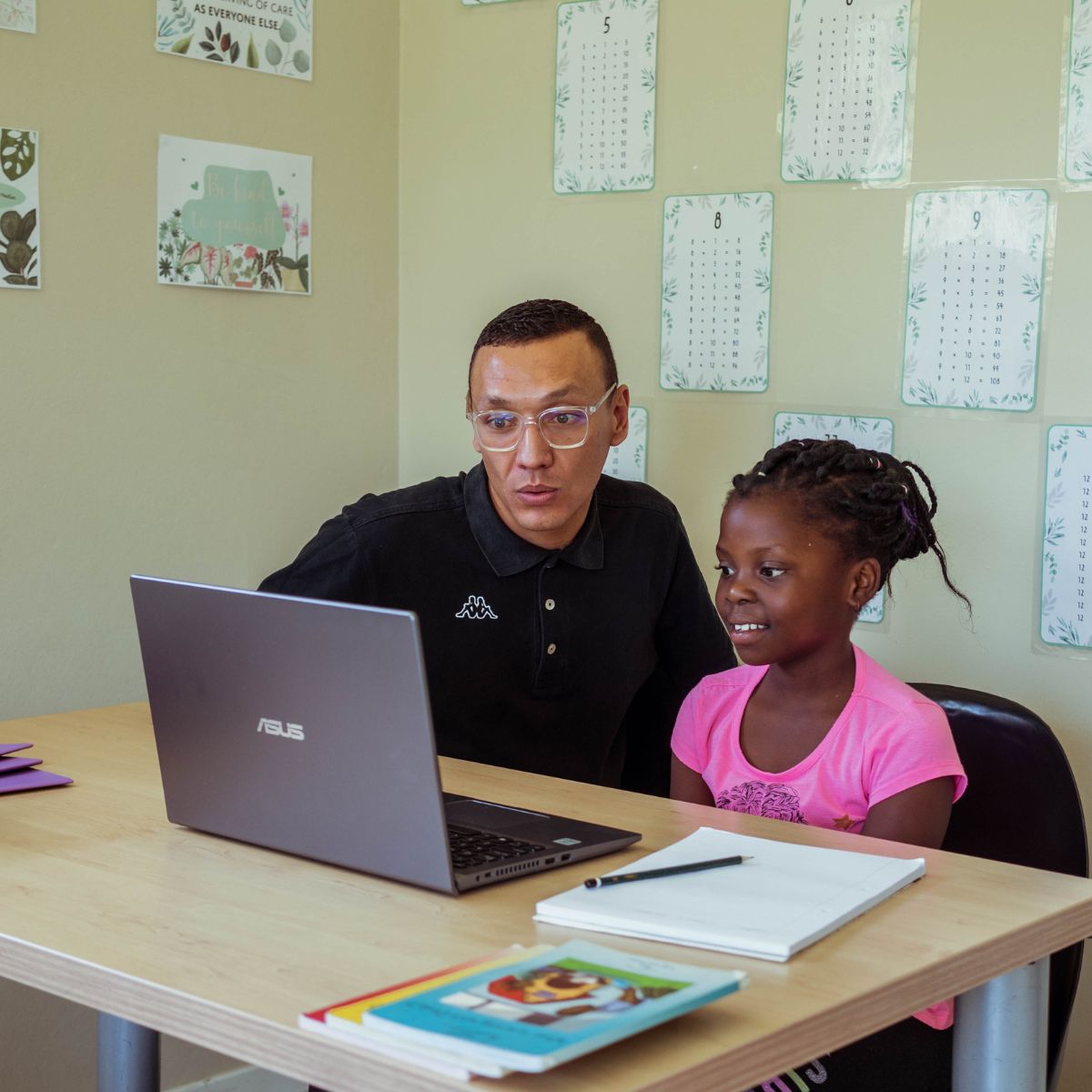
Parental involvement is the cornerstone of your child's educational success. It influences behaviour, academic performance, and extracurricular engagement in measurable ways. Active participation in your child's education goes beyond attending meetings or assisting with assignments. It means creating an environment where learning is valued and supported every day.
Epstein's Model of Parental Involvement
Research identifies five key areas where parental involvement makes the greatest difference.
- Communication: Stay informed about school programmes and ensure regular information sharing between school and home
- Volunteering: Participate in school activities and help organise events
- Learning at Home: Support homework and other educational activities in the home environment
- Decision-Making: Engage with school governance bodies to influence school policy
- Community Collaboration: Work with organisations connected to the school to strengthen resources
Benefits of Parental Involvement
The research-backed benefits are significant: improved academic achievement when parents read with children and monitor progress, reduced disruptive behaviour through positive reinforcement, better school attendance, enhanced social and emotional development, and increased student confidence and sense of security.
Strategies for Effective Involvement
Create a Supportive Home Environment
Encourage learning through daily activities at home. Create routines that include reading, discussion, and homework time. Make learning resources available and show your child that education is valued in your family.
Communicate Clear Expectations
Set clear, measurable goals with your child and break them into manageable steps. Children perform better when they understand what is expected of them and when those expectations are communicated consistently.
Stay Involved at School
Maintain regular communication with teachers and attend school events whenever possible. Even brief interactions with teachers provide valuable insights into your child's progress and any areas that need attention.
Challenges and Solutions
Time Constraints
Use virtual engagement options and focus on quality home-based involvement. Even small daily interactions about school make a measurable difference.
Lack of Awareness
Attend school workshops and orientation programmes to understand how the education system works and where your involvement is most impactful.
Socioeconomic Barriers
Leverage community organisations and carpool arrangements to overcome transport and resource challenges.
Cultural Barriers
Build peer networks with other parents and participate in diversity events that celebrate different approaches to education.
Perception of Roles
Start with small, achievable tasks to build confidence in your ability to contribute meaningfully to your child's education.
Lack of Communication from Schools
Proactively contact your child's school and build direct relationships with teachers. Do not wait for the school to reach out to you.
Help Your Child Succeed
iRainbow provides 15,000+ video lessons, gamified activities, and a free AI Tutor — all aligned with CAPS and IEB curricula. One subscription covers all your children.